Top Dumpster Rental Tips You Should Know by 24 Hour Dumpster
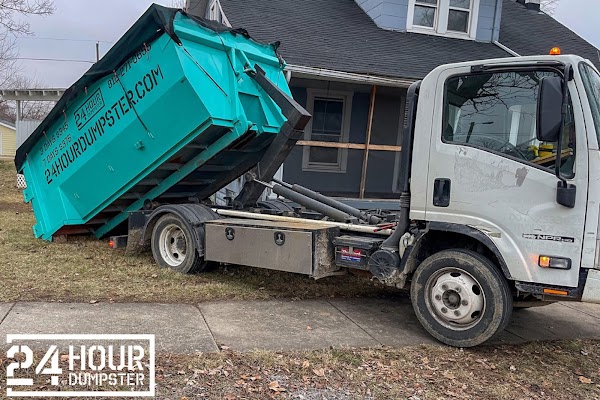
Managing waste effectively from the outset is key to any successful project. Whether you are planning a renovation, cleanup, or construction task, debris can quickly pile up and create unnecessary stress. At 24 Hour Dumpster, our team knows that selecting the proper dumpster and deploying it wisely can transform your workflow. Using a smart strategy makes managing waste streamlined and hassle-free.
A dumpster rental involves far more than simply delivering a container. Proper utilization, planning, and comprehension of debris management are key. We’ve seen that adopting simple strategies can streamline projects, boost safety, and keep work areas orderly. These suggestions aim to maximize your dumpster rental efficiency and overall project success.
Understanding Your Project Waste Needs
Identifying the types of materials to be discarded is essential for effective dumpster use. Every project creates unique debris, and planning ahead ensures seamless disposal. 24 Hour Dumpster encourages clients to think about materials being removed, how frequently waste will be generated, and how long the project will last. Being prepared with this knowledge ensures a structured and effective disposal process.
When waste needs are clearly defined, it becomes easier to manage debris efficiently throughout the project. A clear plan prevents overflow, clutter, and unnecessary interruptions. With a clear system, workers can operate safely and efficiently. Thoughtful preparation maximizes productivity and keeps site cleanup aligned with project objectives.
Strategically Positioning Your Dumpster
The location of a dumpster greatly affects project workflow and efficiency. A well-planned location allows the team to dispose of waste without hassle. 24 Hour Dumpster suggests positioning dumpsters where they are convenient yet do not interfere with operations. Easy access prevents wasted time and keeps work moving smoothly.
Properly positioning the dumpster contributes to a tidier worksite. When dumpsters are easily accessible, debris is less likely to be left scattered around the site. Maintaining an orderly environment enhances project flow. With strategic placement, dumpsters integrate seamlessly into project operations.
Keeping the Dumpster Organized
A tidy dumpster is as crucial as a clean jobsite. Haphazard disposal wastes space and can create problems later. 24 Hour Dumpster recommends placing materials in a structured manner to maximize capacity and maintain balance. Structured placement prevents overfilling and maintains usability.
Organized materials reduce risks and make cleanup easier. Proper placement of materials reduces the risk of items shifting or falling out. Teams benefit from a cleaner, more controlled disposal process. Maintaining order inside the dumpster improves workflow and reduces hassle.
Ensuring a Safe, Tidy Project Site
Keeping the site tidy is critical for worker safety and efficiency. Debris left outside the dumpster can create hazards and slow down progress. 24 Hour Dumpster emphasizes the importance of consistent waste disposal to keep the site orderly. Regular cleanup helps ensure that work areas remain accessible and safe for everyone.
Proper waste management also improves morale and efficiency. Workers can concentrate on their responsibilities rather than dodging debris. Maintaining order fosters teamwork and reduces delays. Proper use of dumpsters for ongoing cleanup boosts project efficiency and safety.
Using the Dumpster Throughout the Project
One frequent error is leaving dumpster use until the final stages rather than making it part of daily operations. 24 Hour Dumpster recommends regular use from start to finish. Disposing of waste regularly prevents buildup and keeps the worksite manageable. Ongoing use helps keep the project on schedule.
Handling trash systematically reduces project disruptions. Organization is maintained throughout the project. This proactive approach reduces stress and improves overall efficiency. Using the dumpster as an integral part of daily operations leads to better outcomes.
Establishing Clear Dumpster Use Guidelines
Well-defined instructions are crucial for proper dumpster usage. Ensure all workers are aware of correct disposal methods. 24 Hour Dumpster suggests creating straightforward rules roll-off dumpster rentals in Indianapolis IN for consistent dumpster use. Communicating rules avoids errors and inefficiency.
When everyone follows the same disposal plan, waste handling is smooth. Waste is handled efficiently, and the site remains organized. Sharing clear instructions promotes responsibility and collaboration. Proper guidance ensures that the dumpster supports productivity rather than becoming a point of frustration.
Promoting Eco-Friendly Waste Management
Proper handling of debris is a key part of project planning. 24 Hour Dumpster encourages sustainable disposal habits. Having a designated disposal area simplifies eco-friendly management. This approach helps reduce unnecessary waste and supports sustainable project management.
Green practices demonstrate a commitment to safety and efficiency. Proper handling ensures a tidy, productive site. Responsible practices contribute to a safer worksite and a more efficient cleanup experience. Sustainable practices enhance project outcomes while protecting the environment.
Smart Strategies for Rental Dumpster Management
24 Hour Dumpster offers helpful guidance to optimize project waste management. Smart planning, thoughtful placement, and consistent use of dumpsters transform waste management into a streamlined process. Implementing these strategies reduces clutter, speeds cleanup, and maintains worksite order.
Using these rental strategies allows the team to work efficiently and without distraction. Organized disposal, clear communication, and responsible practices lead to smoother project execution. 24 Hour Dumpster offers trustworthy support to ensure projects remain clean, safe, and productive.